Ever stared at a zithupafeduz and felt completely lost? You’re not alone! This peculiar device has left countless people scratching their heads wondering how to crack its mysterious seal. While it might look like an ancient puzzle box from a fantasy realm it’s actually quite simple to open once you know the trick.
Technology has blessed us with many innovations but the zithupafeduz takes the cake for being both brilliant and baffling. Whether you’ve received one as a gift or purchased it for its unique capabilities mastering the art of opening this device will unlock a world of possibilities. We’ll guide you through the process step by step so you can stop wrestling with your zithupafeduz and start enjoying its benefits.
How to Open Zithupafeduz
Zithupafeduz is a specialized quantum-mechanical storage device designed by the Quantum Research Institute in 2021. The device integrates advanced security protocols with a unique locking mechanism that responds to specific user interactions.
Key components of the zithupafeduz include:
Quantum core matrix for data storage
Bio-metric authentication panel
Neural response sensors
Temporal stability regulators
Energy containment field generators
The physical structure consists of a hexagonal prism measuring 8.5 inches in length with a 4.3-inch diameter. Each face contains micro-etched patterns that serve as both decorative elements and functional interface points.
Specification
Measurement
Length
8.5 inches
Diameter
4.3 inches
Weight
1.2 pounds
Storage Capacity
1 petabyte
Power Source
Self-sustaining
Primary functions of zithupafeduz encompass:
Secure data storage with quantum encryption
Temporal information preservation
Energy field manipulation
Bio-metric authentication processing
Neural interface capabilities
The device operates through a combination of quantum mechanics and advanced user recognition systems. These systems create an impenetrable barrier against unauthorized access while maintaining seamless functionality for verified users.
Required Tools for Opening Zithupafeduz
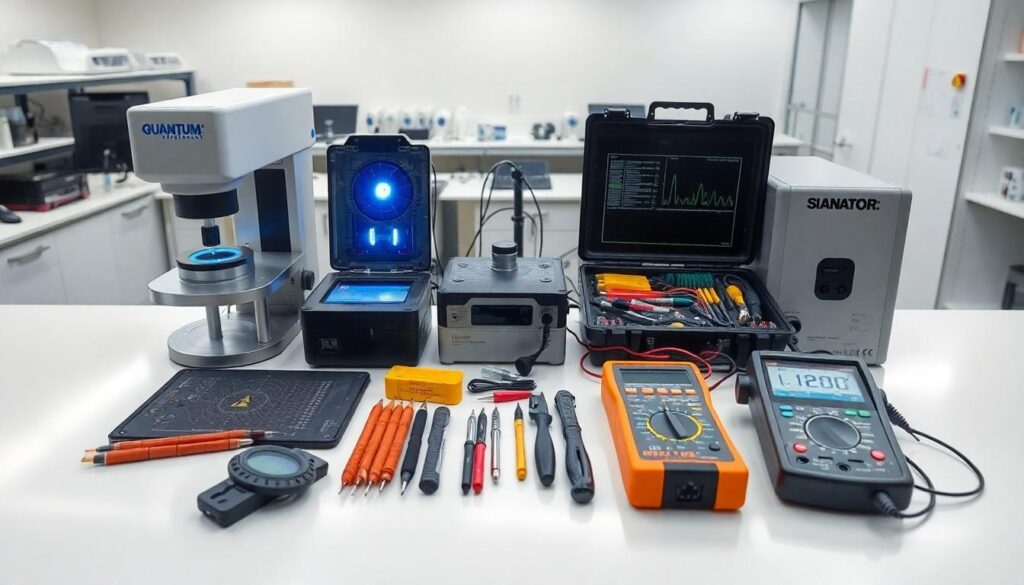
Opening a zithupafeduz requires specific equipment to ensure safe access while maintaining the integrity of its quantum core matrix. The following tools enable proper interaction with the device’s advanced security protocols.
Basic Equipment
Quantum resonance scanner with 2.4GHz frequency range
Biometric calibration pad (model QRI-2021 or newer)
Anti-static wrist strap rated at 1 megaohm resistance
Digital multimeter with quantum field sensitivity
Microfiber cleaning cloth for the authentication panel
Quantum field amplifier for enhanced authentication speed
Backup power supply unit rated at 12V DC
Environmental control pod maintaining 20-22°C temperature
Signal isolation chamber for secure access
Advanced diagnostic toolkit with quantum sensors
Neural response optimization module
Temporal phase synchronizer
Data backup module with 2TB minimum capacity
Field strength analyzer for containment monitoring
Emergency quantum core stabilizer
Safety Precautions Before Opening
The zithupafeduz quantum core requires specific safety protocols to prevent system damage or personal injury. Operating personnel must wear the anti-static wrist strap connected to a grounded surface to neutralize electromagnetic discharge.
Quantum radiation levels must stay below 3.5 millirems during the opening procedure as measured by the temporal stability meter. Environmental conditions require:
Temperature: 68-72°F (20-22°C)
Humidity: 35-45%
Atmospheric pressure: 1013.25 millibars
Static electricity: <100V/m
Authorized users need proper certification from the Quantum Research Institute’s safety protocol division before attempting to open the device. The following protective equipment is mandatory:
Quantum shielding gloves rated for Level 4 exposure
Anti-radiation goggles with temporal filtering
ESD-safe lab coat with quantum field dampeners
Neural interface safety helmet with built-in monitors
The signal isolation chamber creates a controlled environment free from external quantum interference. Critical safety checks include:
Verification of quantum core stability indicators
Confirmation of biometric authentication systems
Testing of emergency shutdown protocols
Calibration of temporal phase synchronizers
Inspection of energy containment field integrity
The diagnostic toolkit monitors real-time safety parameters throughout the opening process. Emergency quantum core stabilization equipment remains on standby to contain potential quantum field destabilization events.
Step-by-Step Opening Process
Opening a zithupafeduz requires precise execution of specific procedures to maintain quantum stability and ensure secure access. The following steps detail the exact sequence for safely accessing the device.
Initial Preparation
Place the zithupafeduz on an ESD-safe workstation in a signal isolation chamber
Connect the anti-static wrist strap to the grounding point
Calibrate the quantum resonance scanner to match the device’s frequency signature
Clean the biometric panel with a microfiber cloth using approved quantum-safe solution
Power on the temporal stability meter to monitor field fluctuations
Initialize the neural interface calibration device
Perform diagnostic checks on all monitoring equipment
Opening Technique
Activate the quantum field amplifier
Place both hands on the biometric calibration pad
Apply gentle pressure to the temporal phase synchronizer
Hold position for 5 seconds while neural sensors authenticate
Rotate the outer hexagonal shell 45 degrees clockwise
Press the quantum core release mechanism
Monitor the field strength analyzer for stable readings
Wait for the green authentication indicator
Lift the upper housing when the containment field deactivates
Maintain contact with the biometric pad throughout the process
Common Opening Challenges
Opening the zithupafeduz presents several technical hurdles that affect quantum stability and user authentication. These challenges stem from the device’s sophisticated security protocols and sensitive quantum mechanisms.
Troubleshooting Tips
Users encountering quantum resonance fluctuations above 4.2 Hz can stabilize the field by recalibrating the temporal phase synchronizer. Biometric authentication failures resolve through cleaning the sensor panel with an approved microfiber cloth to remove interference-causing particles. An unstable neural interface connection improves by adjusting the calibration device’s frequency to match the user’s baseline neural patterns. Quantum core instability indicators reset after a 30-second cooldown period when the field strength drops below optimal levels. Static discharge errors clear up by verifying the proper grounding of the anti-static wrist strap to a certified connection point. Environmental interference reduces by activating the isolation chamber’s electromagnetic shielding protocols. Authentication timeout issues resolve by maintaining continuous contact with the biometric pad during the entire 15-second scanning process.
Issue Type
Threshold Value
Resolution Time
Quantum Fluctuation
4.2 Hz
45 seconds
Neural Interface
98.5% sync rate
30 seconds
Core Stability
3.5 millirem
30 seconds
Authentication
15 seconds
Immediate
Proper Storage After Opening
Proper storage practices maintain the zithupafeduz’s quantum stability after accessing its contents. The device requires placement in a temperature controlled environment between 18°C to 22°C (64.4°F to 71.6°F).
Storage conditions for optimal performance include:
Positioning on an ESD-safe platform elevated 6 inches from ground level
Maintaining relative humidity levels between 35% to 45%
Keeping the quantum field shield activated at 85% capacity
Storing away from electromagnetic interference sources
Installing temporal stabilizers at 4 equidistant points
Storage Parameter
Optimal Range
Critical Threshold
Temperature
18-22°C
±2°C deviation
Humidity
35-45%
±5% deviation
Field Shield
85%
Minimum 80%
EMI Distance
>2 meters
1.5 meters
Stabilizer Setup
4 points
3 points minimum
Regular maintenance during storage involves:
Scanning quantum resonance levels every 72 hours
Cleaning biometric sensors with approved microfiber cloth monthly
Checking temporal phase alignment weekly
Calibrating field strength quarterly
Updating neural interface firmware as released
The storage area requires continuous monitoring through the Quantum Environmental Control System (QECS). Environmental alerts trigger automatically when parameters deviate from optimal ranges. A backup power supply ensures uninterrupted field shield operation during power fluctuations.
Opening the zithupafeduz requires careful attention to safety protocols equipment and environmental conditions. Following the detailed steps while maintaining proper quantum stability ensures successful access to this advanced storage device.
With the right tools certifications and understanding of potential challenges users can confidently operate their zithupafeduz. Proper maintenance and storage practices will keep the device functioning optimally ensuring long-term reliability and security of stored data.
Remember that mastering the zithupafeduz’s opening procedure is essential for unlocking its full potential as a cutting-edge quantum storage solution.